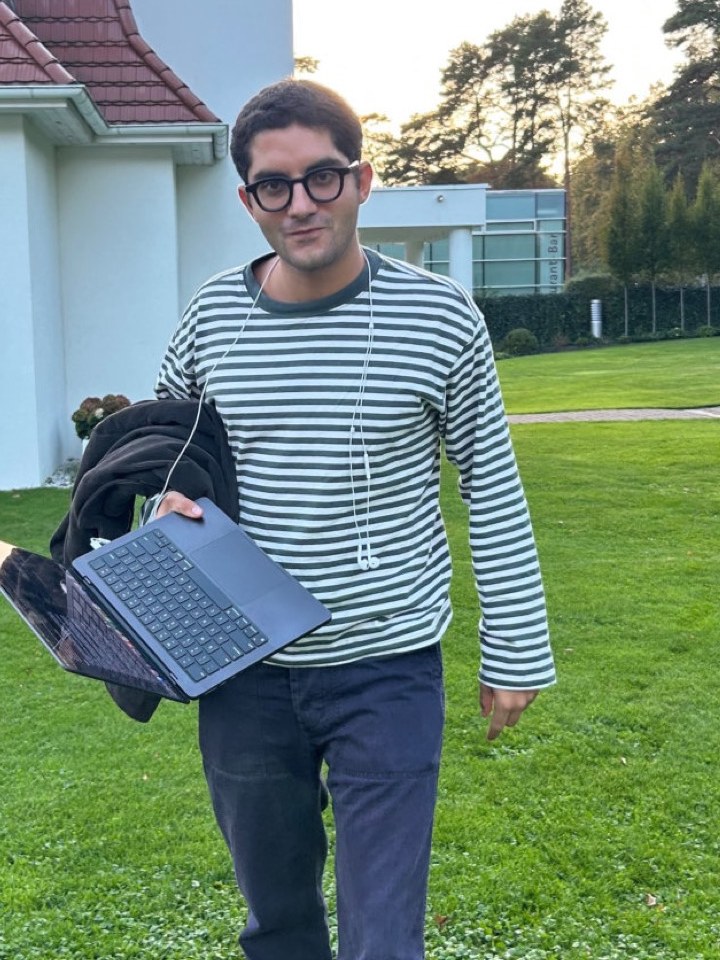
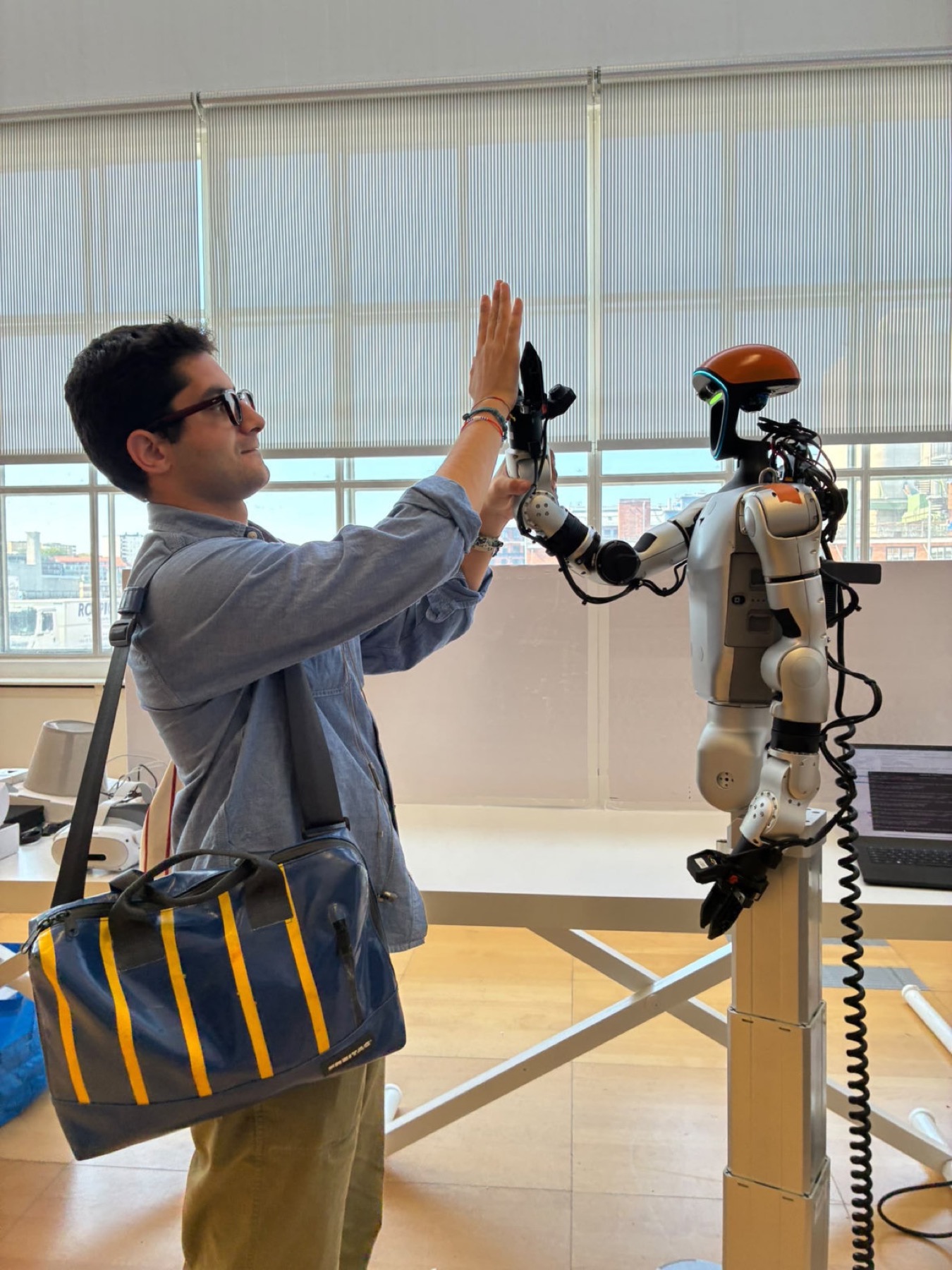
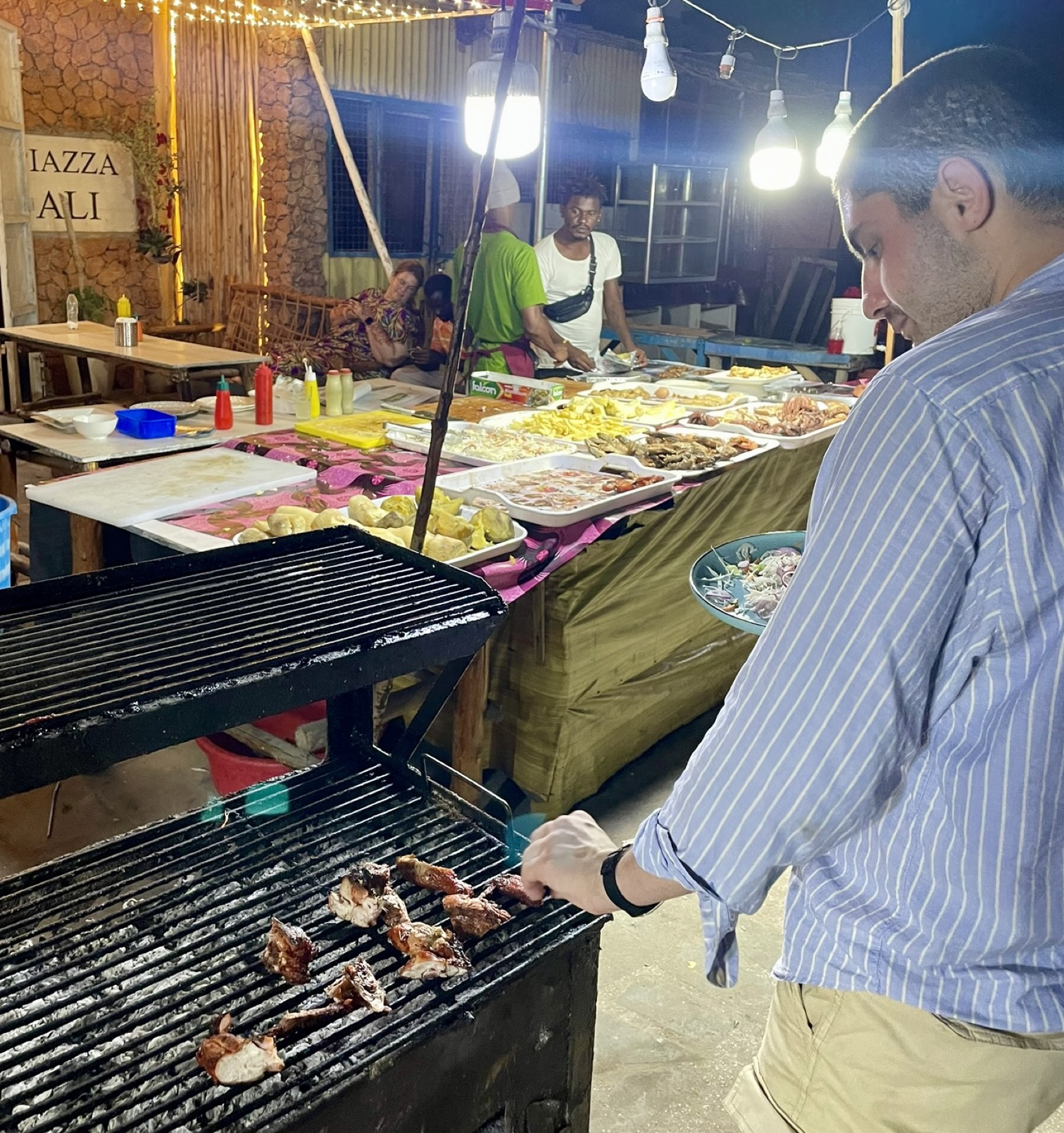
Jacopo. Based in Berlin, originally from Turin.
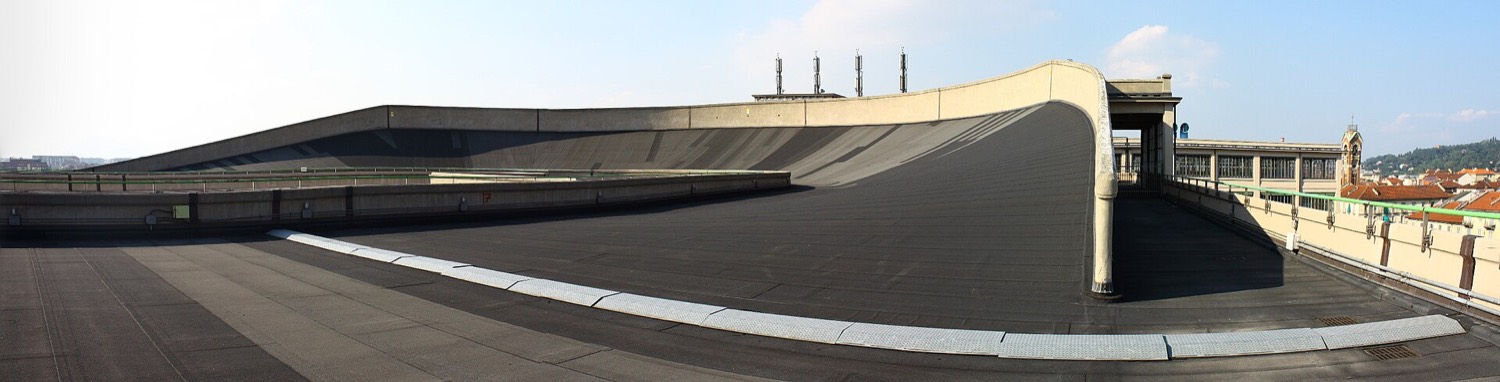
Turin is a North-Western Italian city, made big by FIAT (Fabbrica Italiana Automobili Torino), founded in 1899 by a handful of local aristocrats who had correctly guessed the horse was on its way out. The factory everybody knows is the Lingotto, built between 1916 and 1923: raw material went in at the ground floor, the car came together as it climbed, and the finished thing came out on the roof, onto a test track. On the roof. Le Corbusier called it one of the most impressive sights in industry, which, coming from a French architect about an Italian factory, is close to a declaration of love.
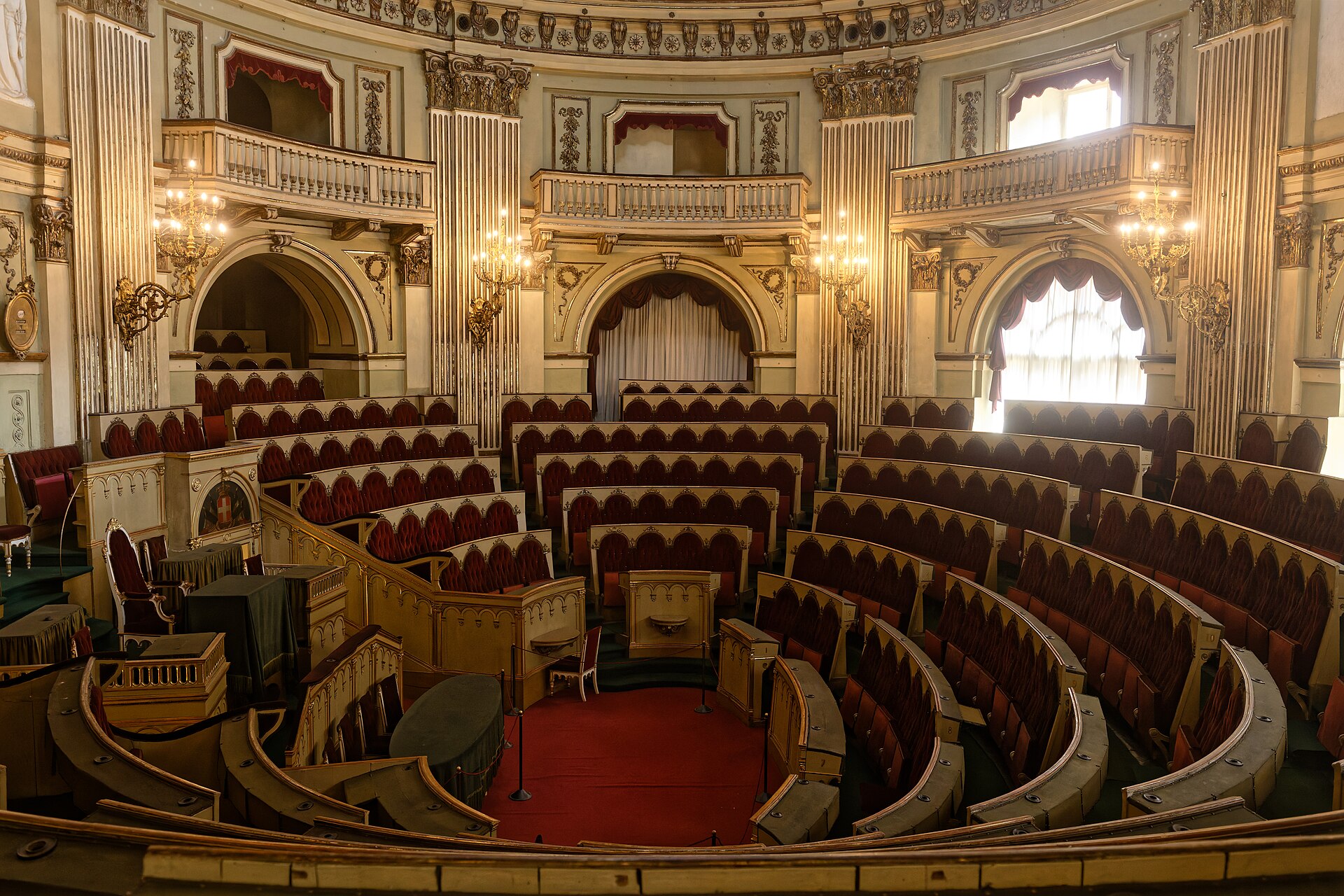
Before the cars, though, Turin did politics. It was the intellectual and political engine behind the Risorgimento, the movement that pulled a peninsula of duchies and kingdoms and a couple of foreign occupiers into one country, and from 1861 to 1865 it was Italy’s first capital. Four years, and then it moved to Florence, and then to Rome. Turin went back to making things, which it was always better at anyway.
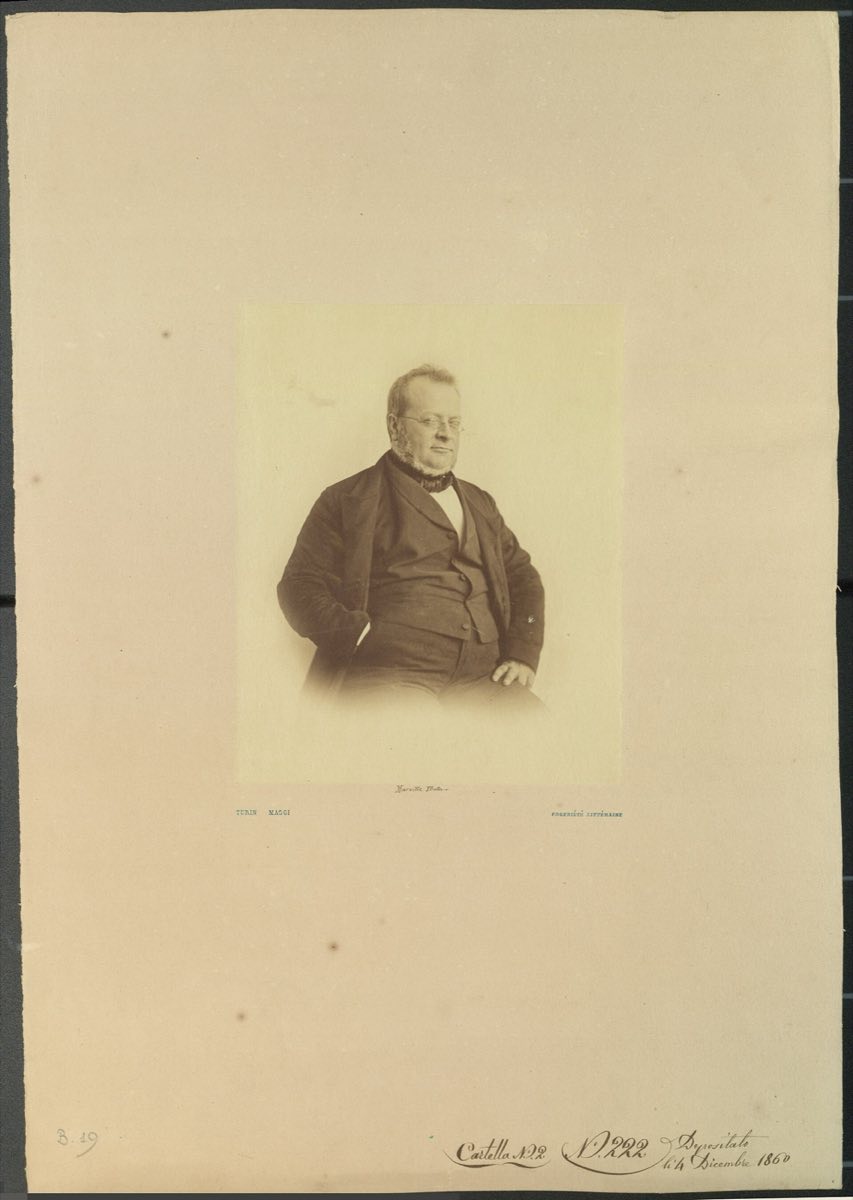
Two people from that period I keep coming back to. First, Camillo Benso, Count of Cavour, who everyone remembers as the statesman who engineered unification. What I like is the part that came before: he took over the family land at Leri, imported fertiliser and English machinery, drained fields, ran a bank, and founded a newspaper (he called it Il Risorgimento - subtlety was not the point). He was an operator first and a politician second, and the politics worked because of the operating. He died in 1861 at 50, a few weeks after the country he had assembled came into existence.
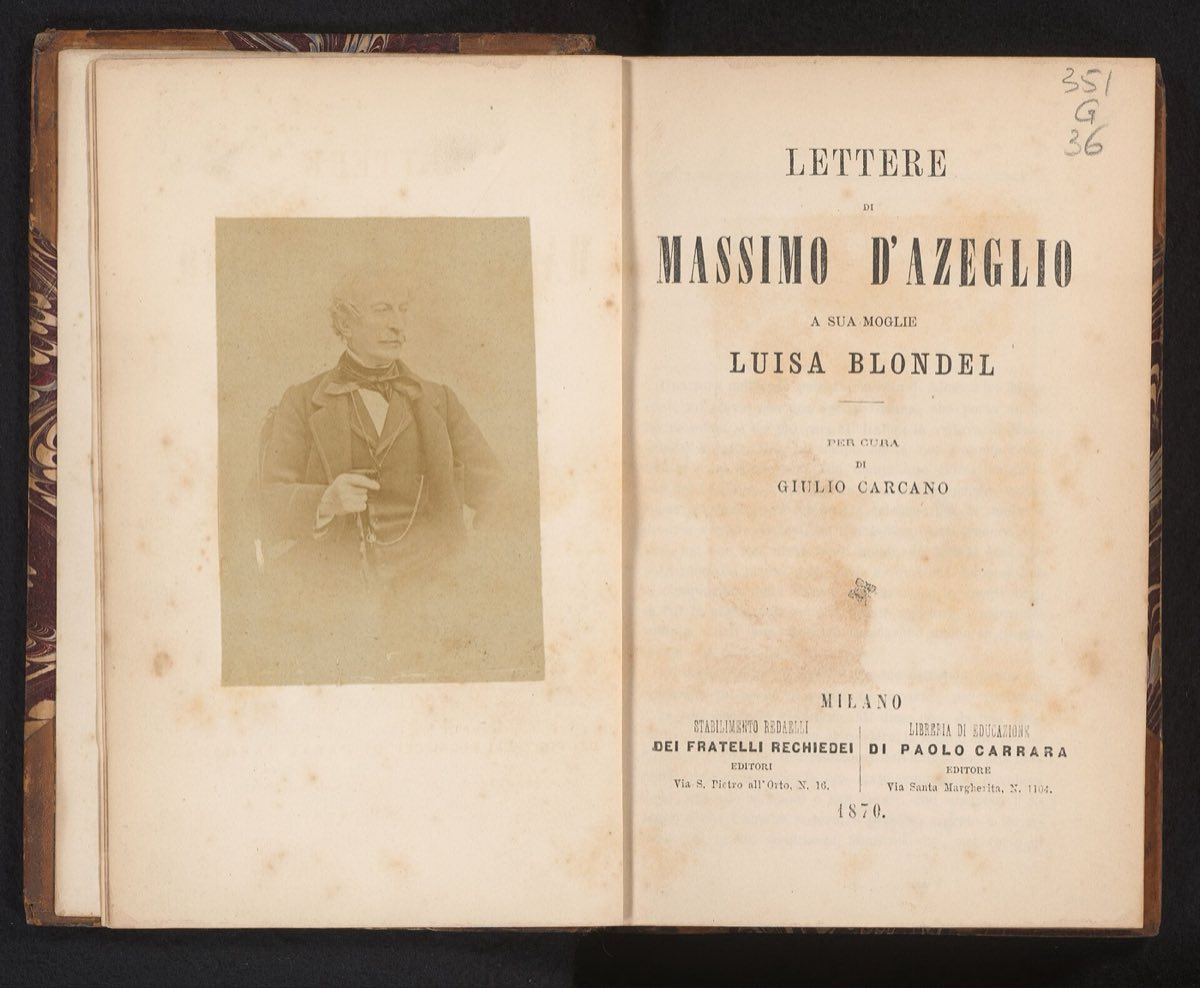
Second, Massimo d’Azeglio, a painter and a novelist who somehow ended up Prime Minister of Piedmont. He gets the credit for “we have made Italy, now we must make Italians”. He probably never said it in those words, but whoever did was right, and 160-odd years later we are still working on it.
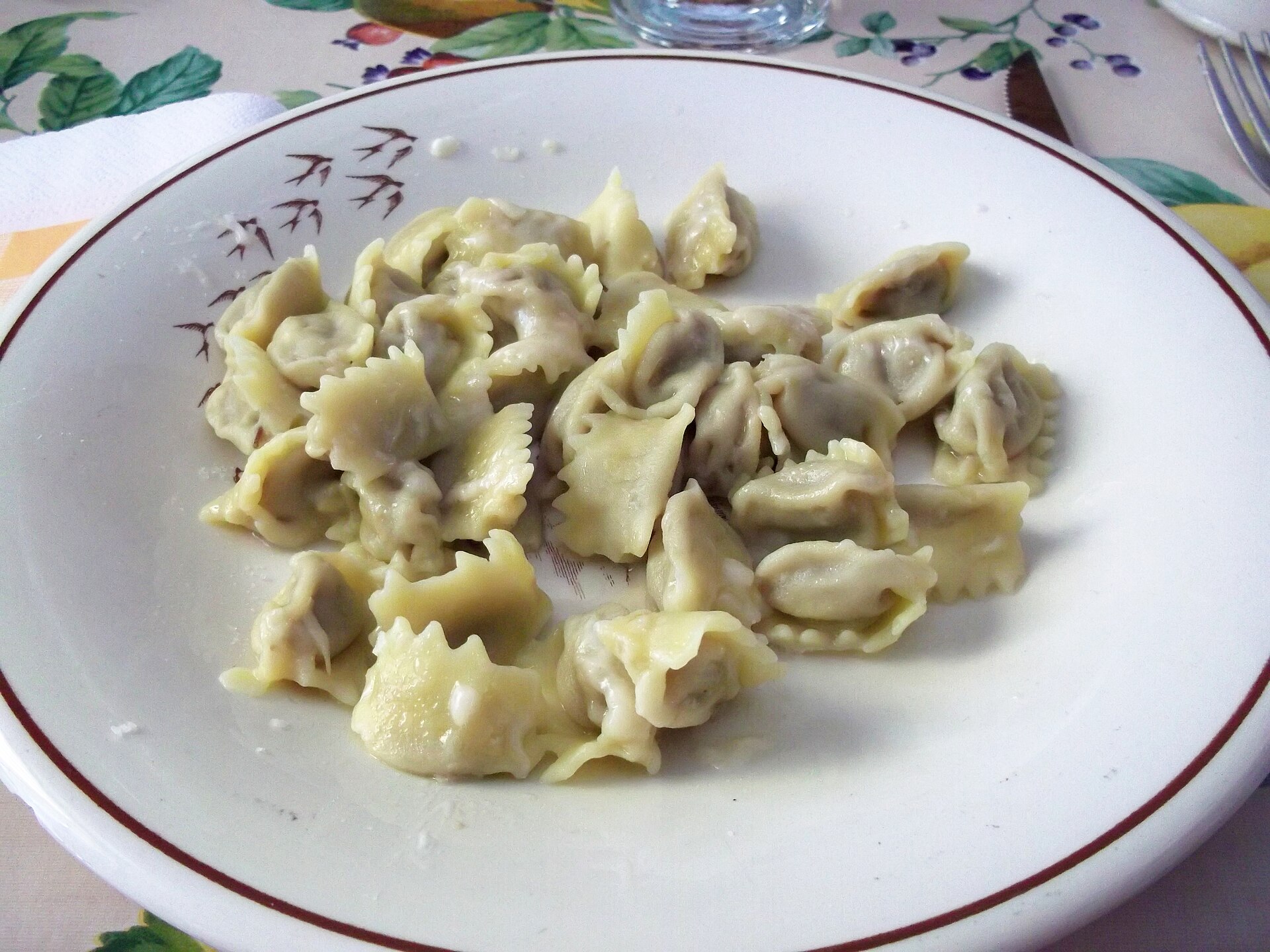
But the thing I am actually proudest of is the agnolotti del plin. Plin is Piedmontese for pinch: you lay the filling down in a line, fold the sheet over it, and pinch between each one with your fingers, which is why they come out small and a bit irregular, and why the industrial ones are never right. Mine come from Pastificio Gran Madre, across the river, on the same street I have been walking to since I was small. Same order every time I am home.
What they’d call a finance bro…
First stop was private equity in Chile, where the portfolio was i) salmon processing boats and ii) copper mines. Chile is the second largest salmon producer on earth after Norway and by far the largest copper producer, so this is less exotic than it sounds - it is simply what the country’s economy is made of.
Then project finance at Santander, working on transactions for battery energy storage systems. Twenty-five year cash flows for a box of cells sitting in a field, where the entire question is whether the revenue stack you have underwritten still exists in year eleven.
Now investor at Foundamental, which is the first job where I get to be around the people building the thing rather than financing it after the fact.
Hardware and software businesses that will either (i) reimagine how capacity is generated starting from the jobsite, or (ii) build new capacity by transforming how existing infrastructure delivers.
… essentially I’m the only family member that knows what the NASDAQ is
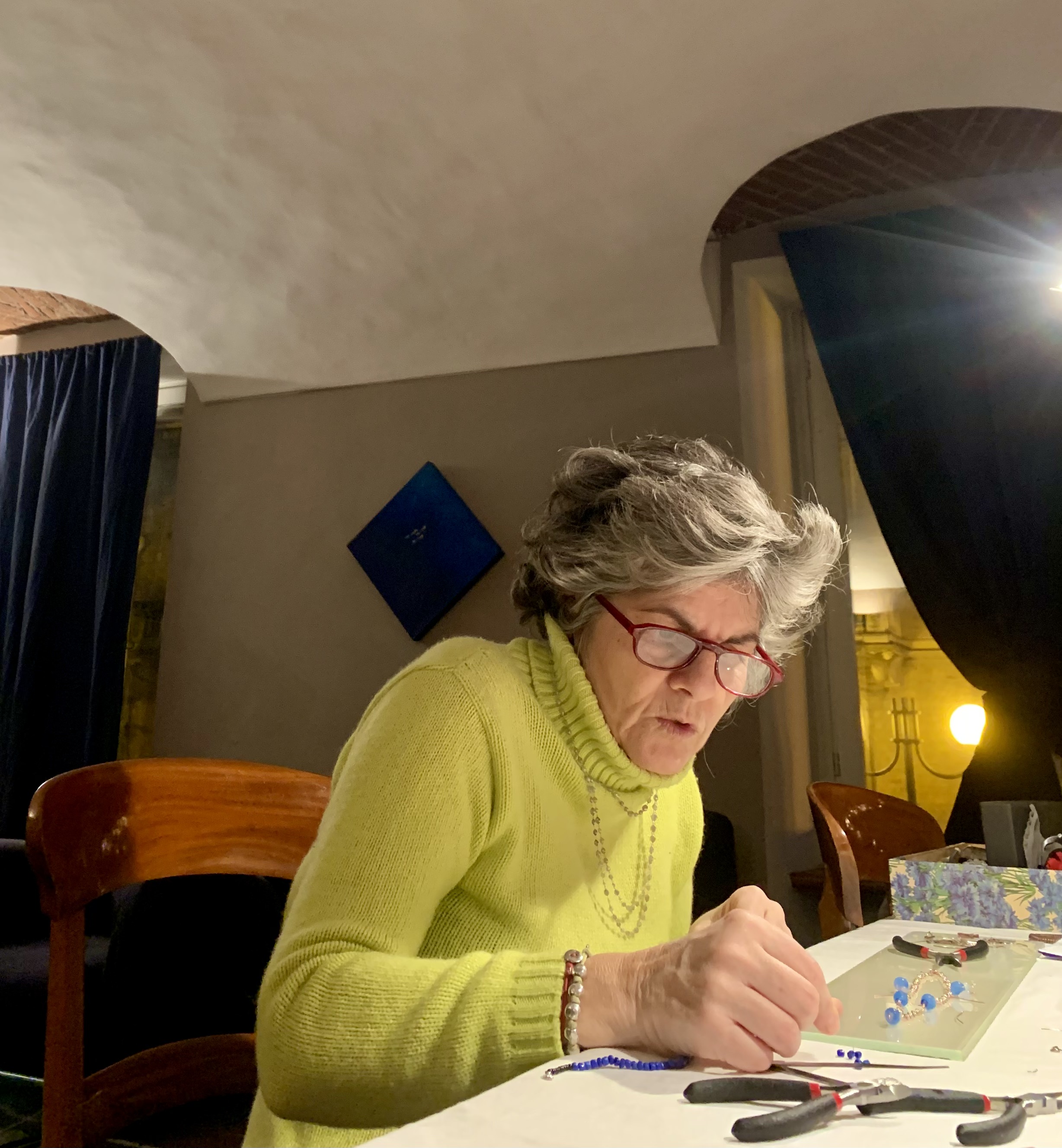
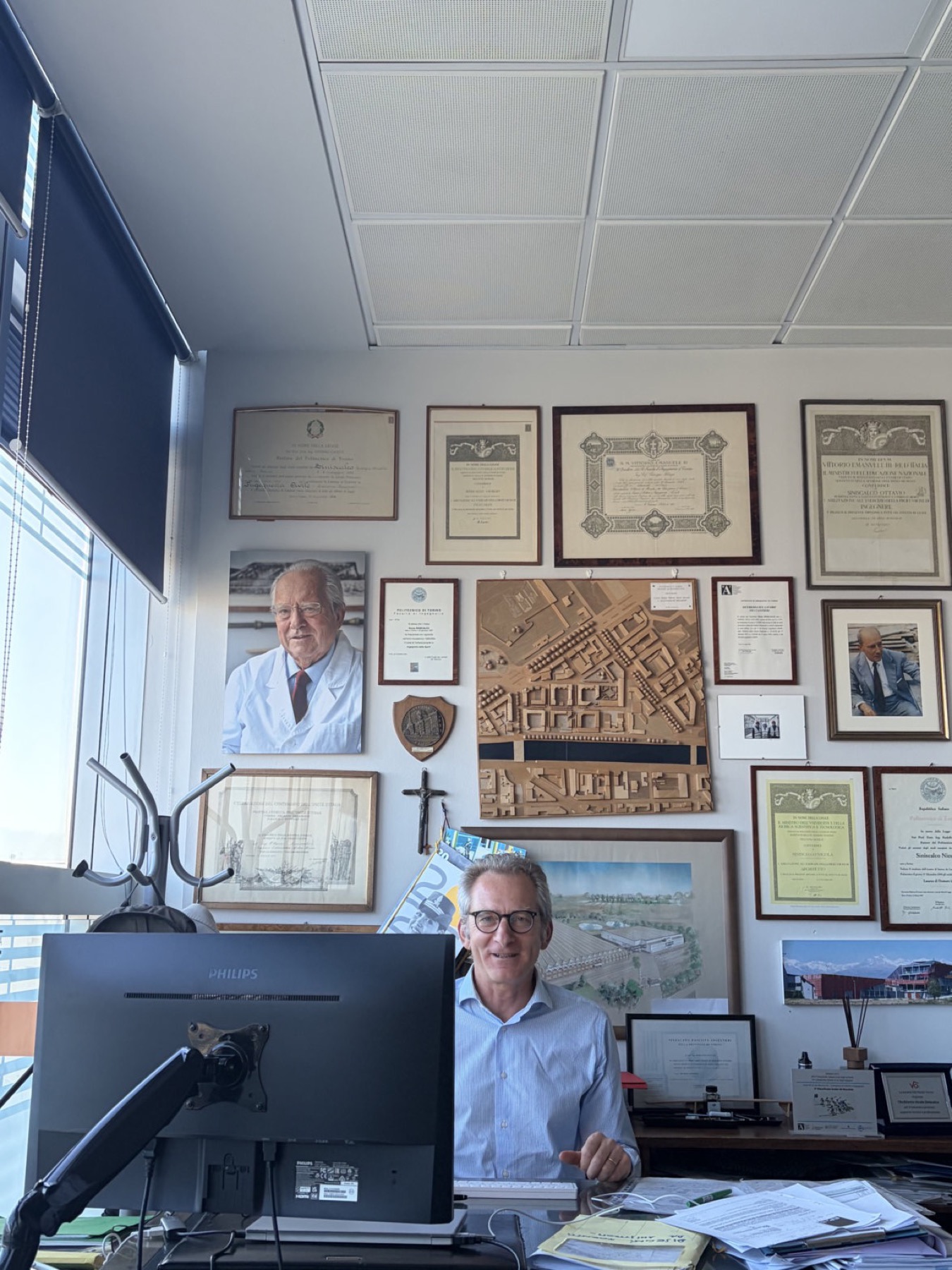
None of this came out of nowhere. I was born into a family of two architects, itself sitting inside a broader one of civil engineers. Bridge-watching has always been a hobby, alongside judging interior design in other people’s homes, quietly and without being asked.
My mother left the studio 20+ years ago and started filling the house first with hand-made jewelry and then with hand-knitted bags. My dad is carrying the torch in the family studio (simete.com) - he is currently working on Martin Garrix’s house in the Côte d’Azur.
I use this website as a personal repo for my thoughts and my interests.
Pictures, in order: Lingotto roof by Tijmen Stam (CC BY-SA 3.0) · Subalpine chamber by Marie-Lan Taÿ Pamart, public domain · Cavour by Charles Marville, public domain · D'Azeglio, Rijksmuseum (CC0) · Agnolotti del plin by Andrea Marchisio (CC BY-SA 3.0).


